Actual Costs of a Flex Office in Germany (2026 Guide)
Discover the real price of flex offices in Germany in 2026: coworking, private offices, hidden fees, and city comparisons for startups and teams.
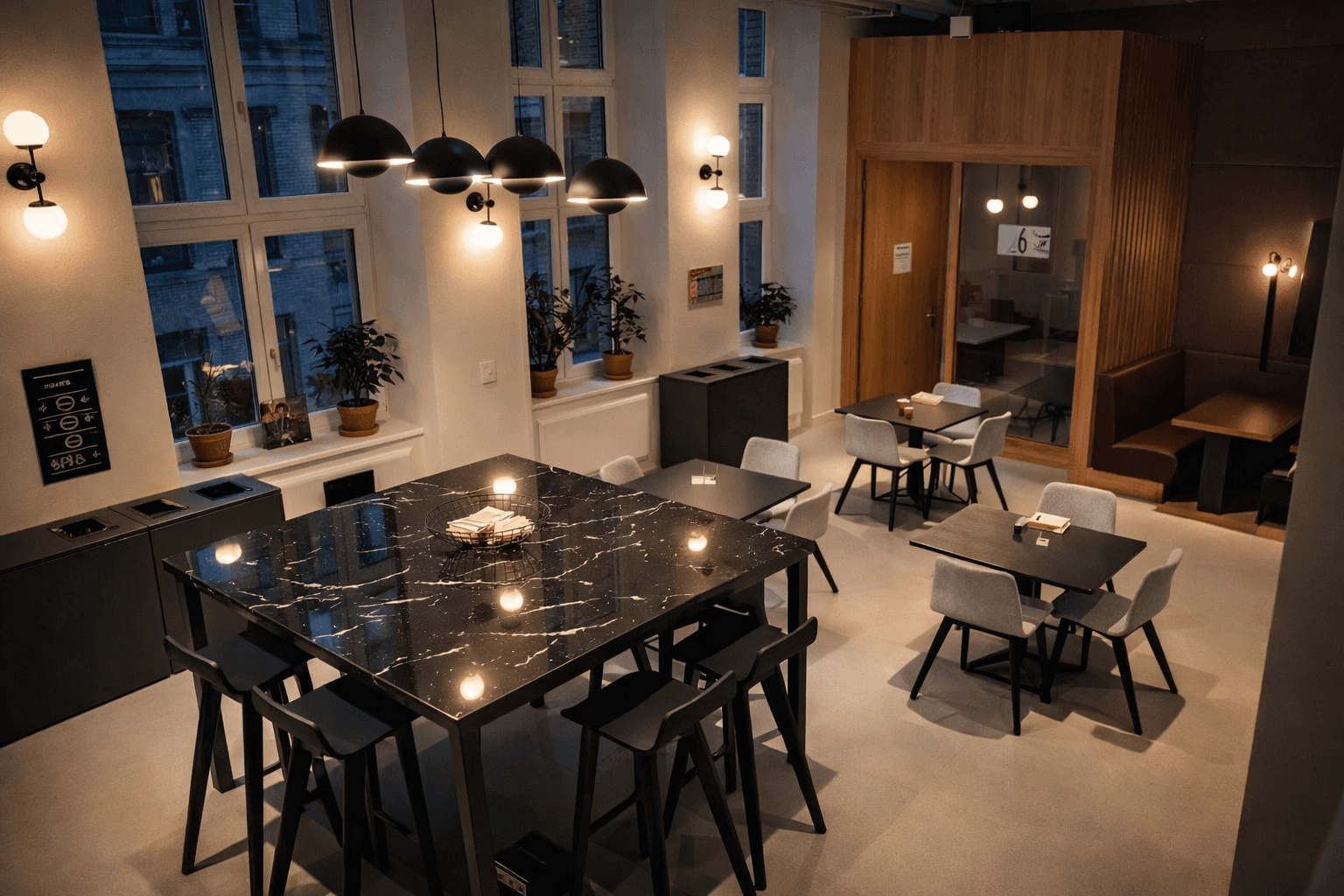
Germany has become one of Europe’s strongest hubs for startups, remote teams, and international companies expanding into the EU market. Because of this, demand for flexible office solutions — coworking spaces, private serviced offices, and hybrid workspaces — has grown dramatically.
But what does a flex office really cost in Germany today?
Most providers advertise attractive starting prices, yet companies often discover the real monthly cost is significantly higher once all components are included. This guide explains the actual costs of a Flex Office in Germany in 2026, including hidden fees, city differences, and what you should budget realistically.
What Is a Flex Office?
A flex office (flexible office) is a workspace rented without long-term lease obligations. Companies can scale up or down quickly and typically receive:
- Fully furnished workspace
- Internet & IT infrastructure
- Meeting rooms
- Shared amenities (kitchen, lounge, reception)
- Cleaning and utilities included
- Short cancellation periods (1–6 months)
Flex offices in Germany usually come in three main formats:
- Coworking desk (shared)
- Dedicated desk
- Private serviced office
Average Flex Office Prices in Germany (2026)
Below are the realistic monthly price ranges per person:
| Type of Workspace | Average Monthly Cost |
|---|---|
| Coworking Hot Desk | €180 – €350 |
| Dedicated Desk | €300 – €550 |
| Private Office Seat | €450 – €950 |
| Premium Serviced Office | €900 – €1,600 |
However, these are starting costs only. The real price depends heavily on the city.
Price Comparison by City
Germany has large regional price variations.
Berlin
Startup-friendly and still the most affordable major hub.
| Workspace Type | Monthly Cost |
|---|---|
| Coworking | €180 – €320 |
| Dedicated Desk | €280 – €480 |
| Private Office | €450 – €850 |
Berlin remains ideal for early-stage startups and remote teams.
Múnich
Germany’s most expensive office market.
| Workspace Type | Monthly Cost |
|---|---|
| Coworking | €300 – €450 |
| Dedicated Desk | €450 – €700 |
| Private Office | €900 – €1,600 |
Companies choose Munich for proximity to enterprise clients and investors, but must budget accordingly.
Homburg & Frankfurt
Balanced markets with strong corporate demand.
| Workspace Type | Monthly Cost |
|---|---|
| Coworking | €250 – €380 |
| Dedicated Desk | €350 – €600 |
| Private Office | €650 – €1,200 |
Frankfurt is especially popular among fintech and finance teams.
Hidden Costs Most Companies Forget
The biggest mistake companies make is calculating only the desk price.
Here are the real additional costs of a flex office in Germany:
1. Meeting Room Usage
Usually limited free hours per month.
Extra hours cost:
€25 – €70 per hour
A team using 2 hours daily can add:
€600 – €1,200/month
2. Business Address & Registration
Important for GmbH registration.
Typical cost:
€40 – €120/month
3. Printing & IT Services
Often charged separately.
Average:
€20 – €80 per employee/month
4. 24/7 Access & Security
Premium access packages may cost extra.
€30 – €90 per person/month
5. Deposit & Setup Fees
Many operators require:
- 1–2 months deposit
- Setup fee €150–€500 per office
Real Monthly Budget Example
Let’s calculate a realistic cost for a 5-person startup in Berlin:
| Cost Component | Monthly Cost |
|---|---|
| Private office (5 seats) | €2,750 |
| Meeting rooms | €450 |
| Business address | €80 |
| IT & printing | €200 |
| Access packages | €200 |
| Real total | €3,680/month |
👉 Advertised price: €2,750
👉 Real operating cost: €3,680
Difference: +34%
This gap is typical across Germany.
Flex Office vs Traditional Lease
| Factor | Flex Office | Traditional Office |
|---|---|---|
| Contract | 1–6 months | 3–10 years |
| Setup cost | Low | Very high |
| Furniture | Included | Must buy |
| Scalability | Easy | Difficult |
| True monthly cost | Higher | Lower long term |
Flex offices are more expensive per desk but significantly reduce risk and upfront capital.
When a Flex Office Makes Financial Sense
A flex office in Germany is ideal if:
- Your team size changes frequently
- You are entering the German market
- You need a registered business address quickly
- You want zero upfront investment
- You operate hybrid or remote-first
For stable teams over 25 employees, traditional leases often become cheaper after ~24 months.
Final Thoughts
The actual costs of a Flex Office in Germany are typically 25%–40% higher than advertised prices once all operational expenses are included.
Typical real budgets in 2026:
- Freelancer: €250 – €450/month
- Startup team (5 people): €3,200 – €4,200/month
- SME team (15 people): €10,000 – €18,000/month
Despite the premium, companies continue choosing flex offices because they remove risk, accelerate setup, and allow fast growth — something traditional real estate cannot offer.
For international teams entering Germany, flexibility is often worth more than the price difference.