Berlin Coworking Market: 2026 Outlook & Key Trends
Explore the future of flexible workspaces in Berlin. Our 2026 outlook covers market growth, pricing shifts, and the top districts for office investment.
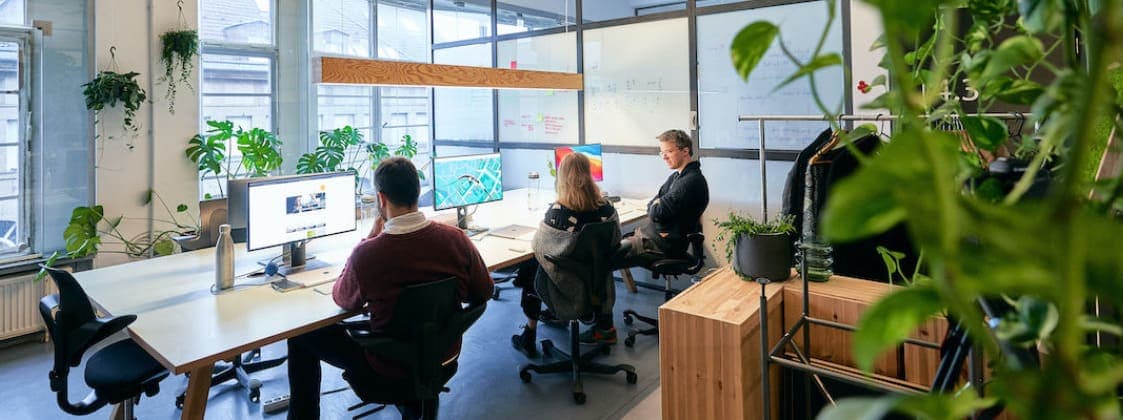
The coworking office market in Berlin, Germany is entering a new phase of maturity in 2026. Once seen mainly as a startup-driven trend, coworking has now become a core component of Berlin’s commercial real estate ecosystem. Companies of all sizes—freelancers, SMEs, and multinational corporations—are increasingly adopting flexible office solutions to remain competitive in a fast-changing economy.
Berlin’s reputation as a global innovation hub, combined with its relatively affordable office costs compared to other European capitals, continues to attract entrepreneurs, digital nomads, and international businesses. As a result, coworking spaces are no longer niche offerings but strategic workplace solutions aligned with modern work culture.
Key Drivers Shaping Coworking Trends in Berlin
Hybrid Work as the New Standard
By 2026, hybrid work models are firmly established. Companies now balance remote work with physical collaboration hubs, making coworking spaces ideal satellite offices. This shift has increased demand for flexible memberships and short-term leases.
Startup and Tech Ecosystem Growth
Berlin’s strong startup ecosystem remains a key demand driver. Fintech, AI, green tech, and creative industries continue to favor coworking due to scalability, networking opportunities, and lower upfront costs.
International Talent and Digital Nomads
Berlin’s cultural diversity and quality of life attract remote workers from across Europe and beyond. Coworking operators are responding with multilingual services, community events, and flexible access plans.
Popular Coworking Locations in Berlin (2026)
These districts continue to see new coworking developments, with mixed-use buildings integrating offices, retail, and residential spaces.
Design and Space Utilization Trends
Flexible Layouts
Spaces are designed to adapt quickly, featuring movable walls, modular furniture, and multi-purpose rooms.
Wellness-Centered Offices
Natural lighting, indoor plants, ergonomic furniture, and quiet zones are now standard expectations rather than premium features.
Technology-Driven Workspaces
Smart access systems, high-speed connectivity, booking apps, and AI-powered space management tools enhance user experience and operational efficiency.
Sustainability and Green Coworking Spaces
Sustainability is a defining trend in 2026. Berlin coworking operators increasingly prioritize:
- Energy-efficient buildings
- Renewable energy sources
- Eco-friendly materials
- Waste reduction programs
These initiatives align with Germany’s environmental regulations and appeal to eco-conscious businesses.
Pricing Trends and Membership Models
Coworking prices in Berlin remain competitive compared to cities like London or Paris. However, premium locations and high-end services are seeing moderate price increases.
Popular Membership Models Include:
- Hot desks (daily or monthly)
- Dedicated desks
- Private offices
- Corporate team packages
- Pay-as-you-go access
Flexibility remains the most valuable selling point.
Corporate Adoption of Coworking Spaces
Large enterprises are increasingly using coworking spaces for:
- Project-based teams
- Innovation labs
- Temporary expansion offices
This corporate demand is pushing operators to offer higher security standards, private meeting areas, and enterprise-level services.
Challenges Facing the Berlin Coworking Market
Despite growth, challenges remain:
- Increased competition among operators
- Rising operational and energy costs
- Market saturation in central districts
Successful providers differentiate through branding, community-building, and specialized industry focus.
Future Outlook: What to Expect Beyond 2026
The coworking market in Berlin is expected to continue growing steadily. Suburban coworking hubs, niche-focused spaces (e.g., for creatives or sustainability startups), and partnerships with real estate developers will shape the next phase of expansion.
For additional insights on flexible office trends across Europe, visit this external resource: https://www.cbre.com/insights
Frequently Asked Questions (FAQs)
1. Why is Berlin a leading coworking market in Europe?
Berlin combines affordability, innovation, and international talent, making it ideal for flexible workspaces.
2. Are coworking spaces replacing traditional offices in Berlin?
Not entirely, but they are becoming a strong complement, especially for hybrid and project-based work.
3. Which industries use coworking spaces the most in 2026?
Technology, creative industries, consulting, and sustainability-focused startups dominate usage.
4. Is coworking suitable for large companies?
Yes. Many operators now offer enterprise-grade solutions tailored to corporate needs.
5. How important is sustainability in Berlin coworking spaces?
Extremely important. Eco-friendly practices are now a key decision factor for tenants.
6. Will coworking prices increase after 2026?
Moderate increases are expected, particularly in premium locations, but flexibility will remain affordable.
Conclusion
In 2026, the coworking office market in Berlin reflects broader changes in how people work, collaborate, and innovate. Flexibility, sustainability, and community-driven design define the sector’s success. For investors, operators, and businesses alike, Berlin remains one of Europe’s most promising coworking destinations.